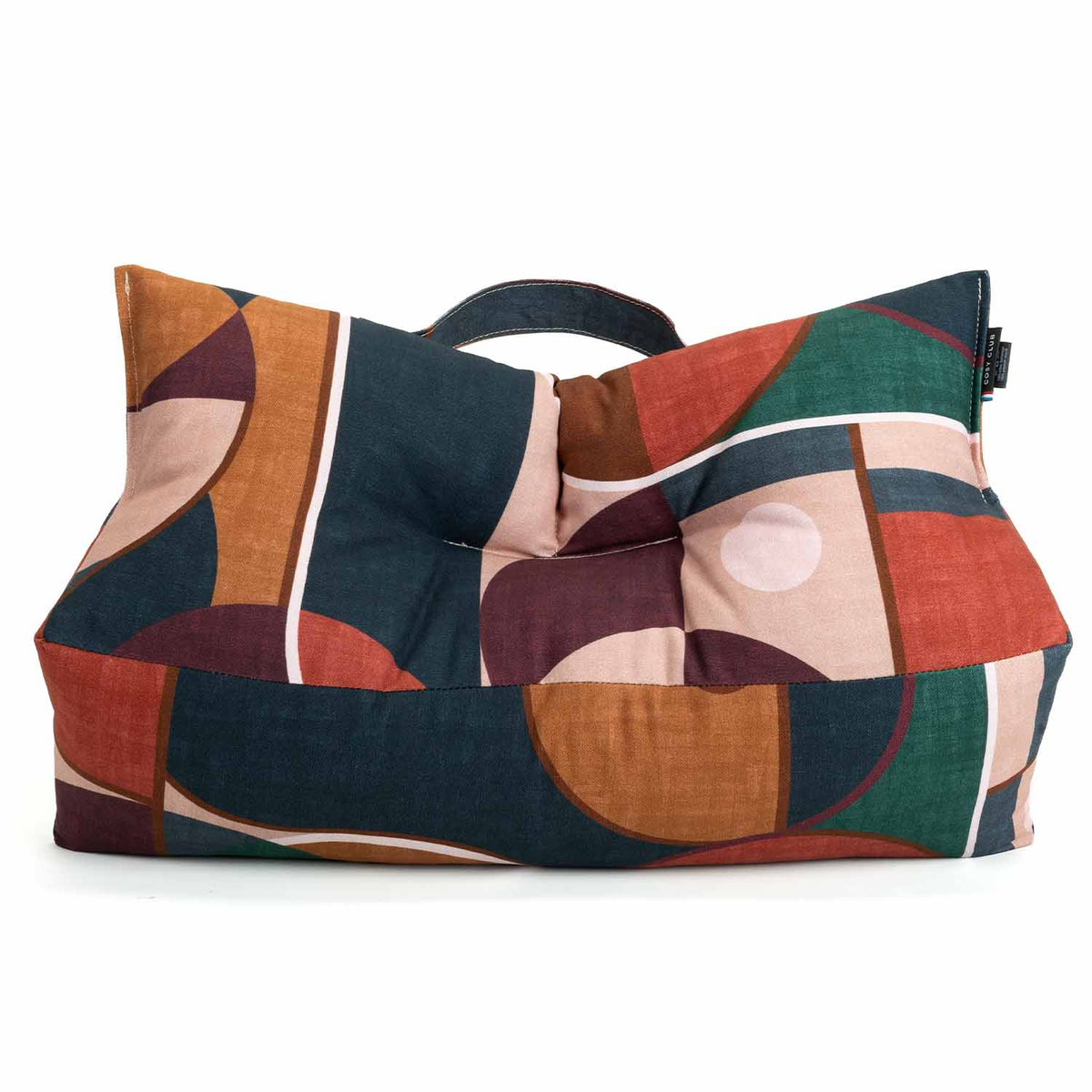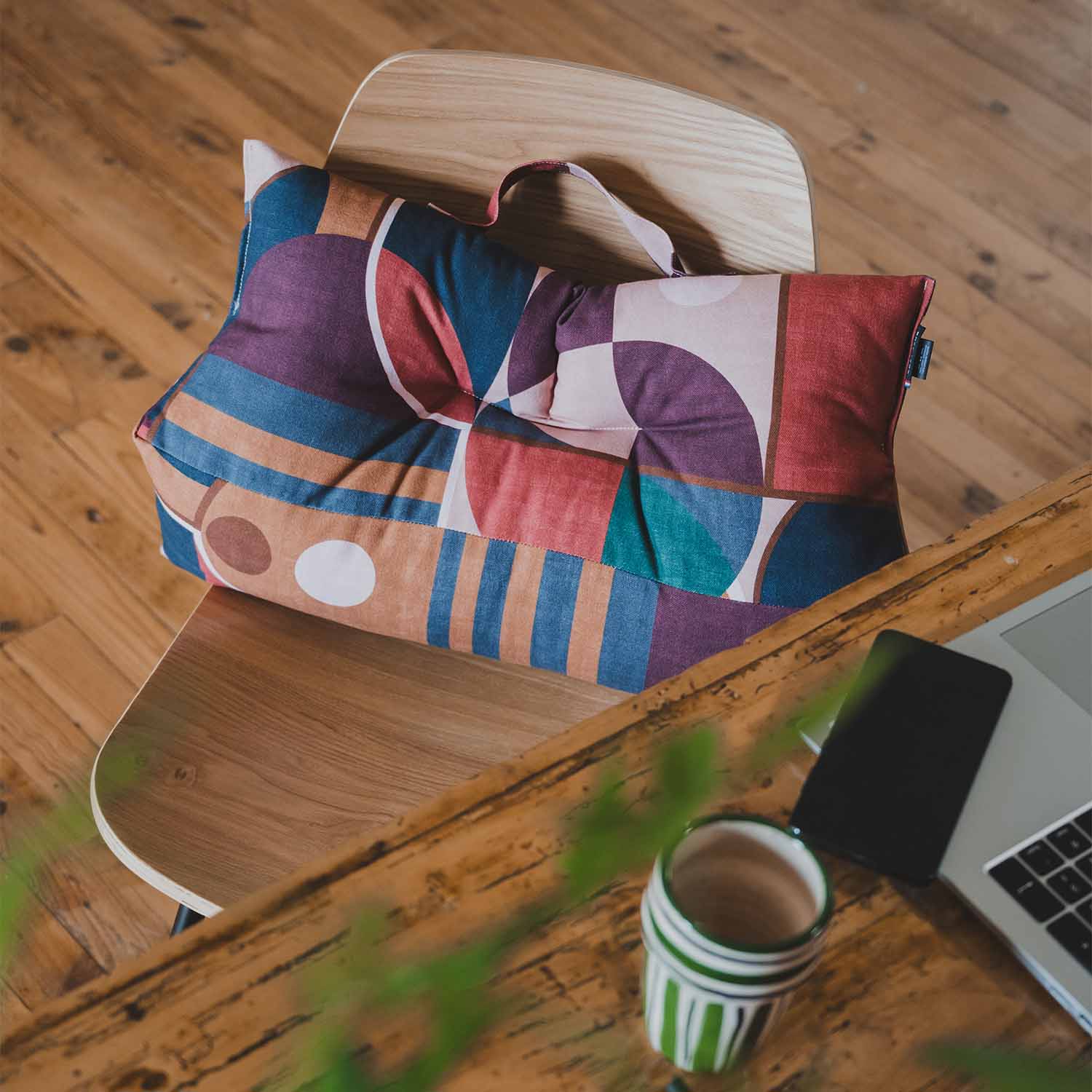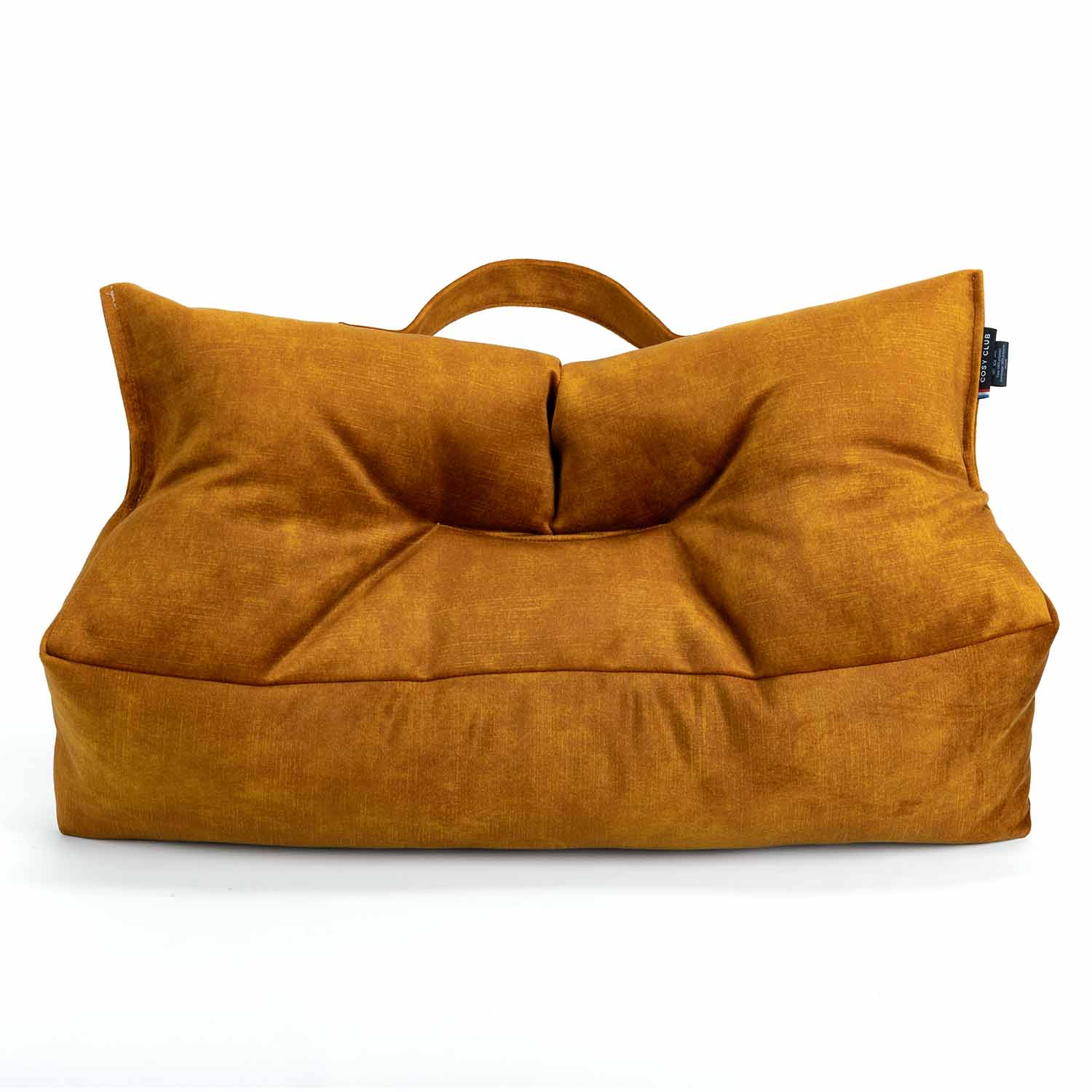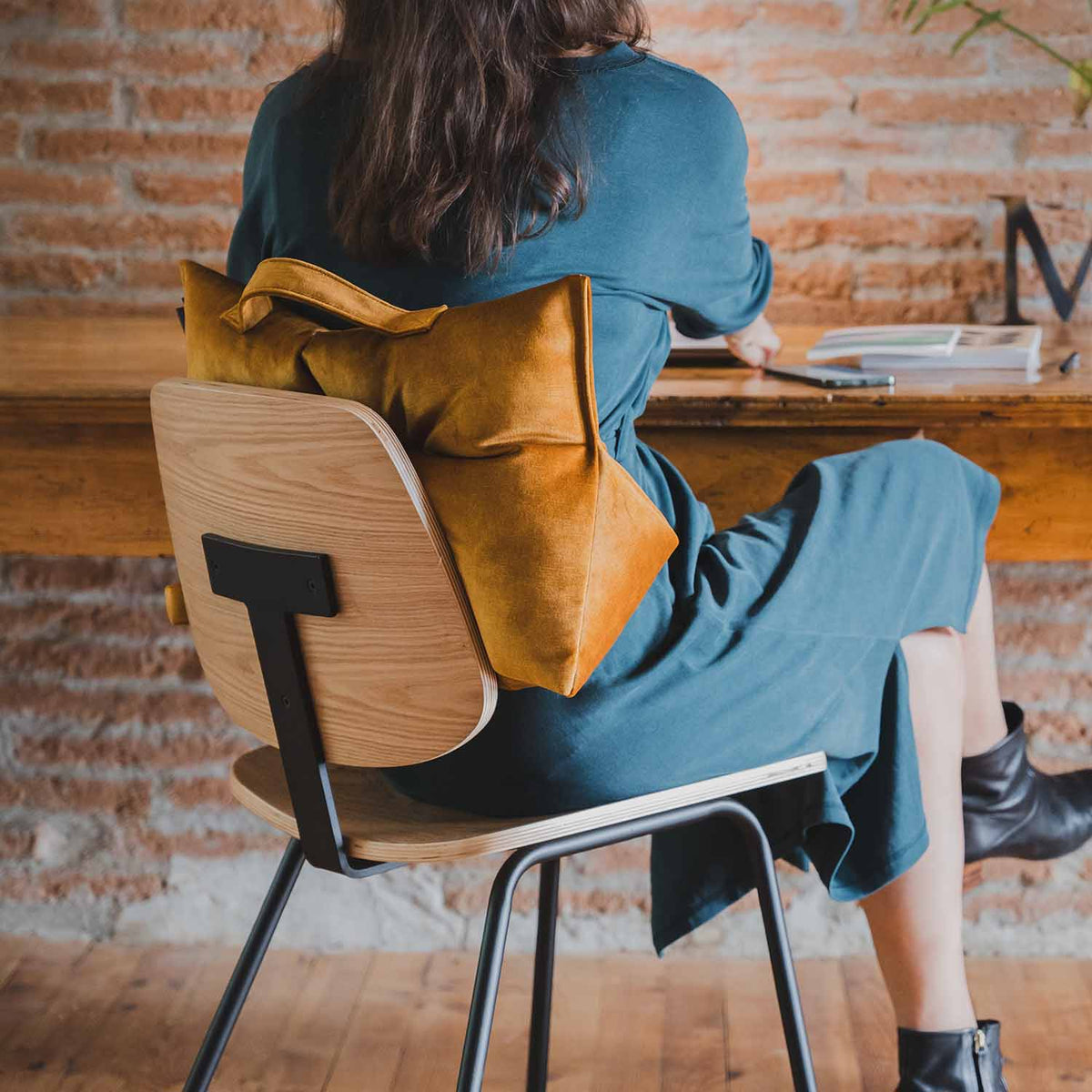
Hello Anne, could you briefly introduce yourself?
I have been an osteopath in Villefranche de Lauragais for 13 years now. I treat people of all ages, from newborns to the elderly, including pregnant women and athletes.
Do you have any idea what proportion of people come to see you for back problems? Is it, for example, 50%?
I don't really know, and I think it's more than that. Generally, when people go to see an osteopath, they come for back pain . That's the number one reason, even though you can go to an osteopath for many other reasons, such as digestive problems, headaches, disturbed sleep, or even psychological issues like after a bereavement or a shock, whether physical or emotional.
What are the most common lower back problems?
In fact, the most common type is what is called lumbago, also known as lower back pain. The word lumbago simply means "lower back pain".
Lumboradiculalgia, which includes sciatica and cruralgia, can also cause intense pain due to nerve compression at the point of origin or along their path.
Mechanical factors account for 99% of lower back pain . This encompasses everything related to the bones, muscles, joints, tendons, and ligaments. However, it's important to remember that it can also be linked to gynecological problems, such as endometriosis, prostate issues in men, or even urological or intestinal problems.

What role can accessories like lumbar cushions play in preventing or relieving back pain?
First and foremost, regarding prevention, what I recommend is staying active . I sometimes have people call me whom I can't see right away. I still tell them to remain active. Because not moving can worsen the situation. So the primary preventative measure is to move, to build muscle, to be active.
But there are also cases where a person may feel better by remaining still. For example, in the case of a muscle tear. In this situation, it's important to stay calm and properly supported . And in this type of situation, a lumbar cushion is perfectly suitable.
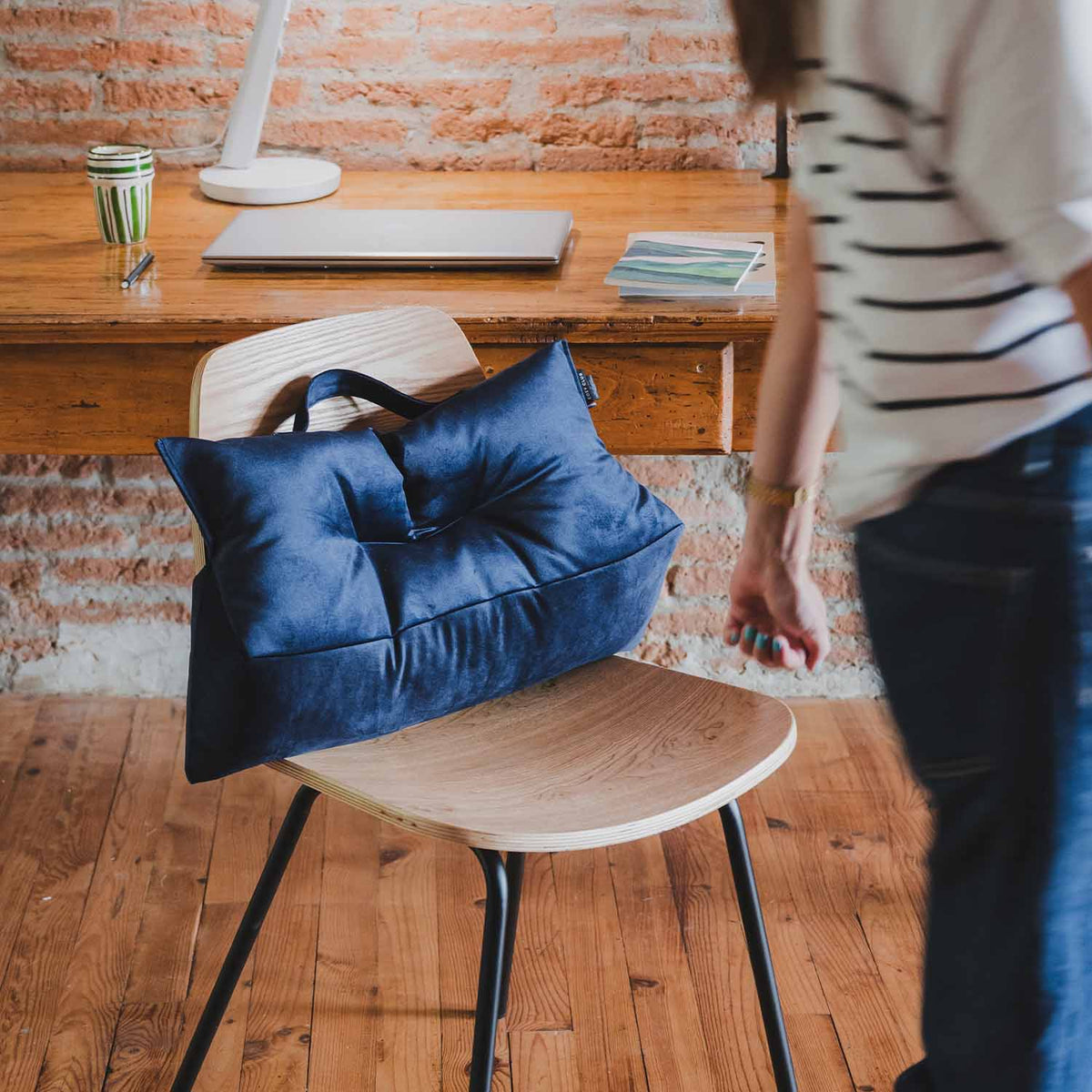
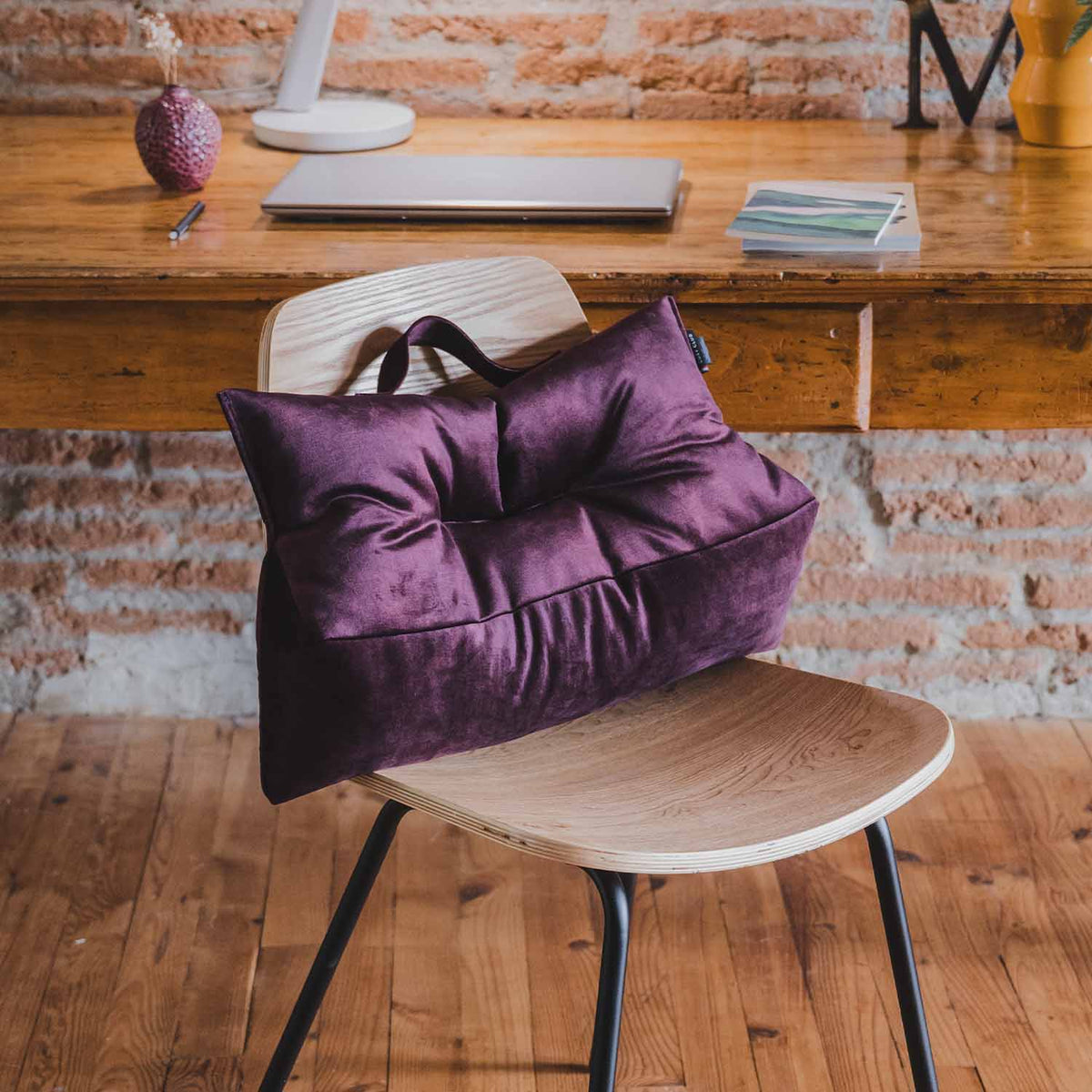
But a lumbar cushion can also play a preventative role , for example, for someone who sits all day. I'm thinking particularly of people who spend a lot of time in front of a computer.
We saw it during Covid. Many people suffered because they had to work from home. They were set up at the kitchen and living room tables, with unsuitable seating. And in the aftermath of Covid, I had a lot, a lot of work related to that.
Actually, it's called workplace ergonomics . It's extremely important to be properly seated, with both feet firmly on the ground, an adjustable chair, knees at hip height or slightly higher, and good lumbar support. This is really important for posture, whether you have back problems or not.
In fact, many chairs are poorly designed. I remember my daughter buying a chair she liked the look of, but it had a very flat back. The label said it could be used as an office chair. But I challenge anyone to stay in that chair for eight hours. It's incredibly uncomfortable.
Because, physiologically, we all have a lumbar curve . So, without lumbar support, it's unbearable. You don't know how to sit properly, you're constantly shifting. It's also a problem for young people who are at school all day and have back pain because they're sitting incorrectly. Because the chair doesn't take the lumbar curve into account, and the gap between the backrest and the back creates discomfort .
So yes, having good lumbar support is important for relief.
Another interesting aspect of the cushion is the contact with the body which produces heat which will help to warm and relax the muscles.

What was your first impression when using this lumbar cushion?
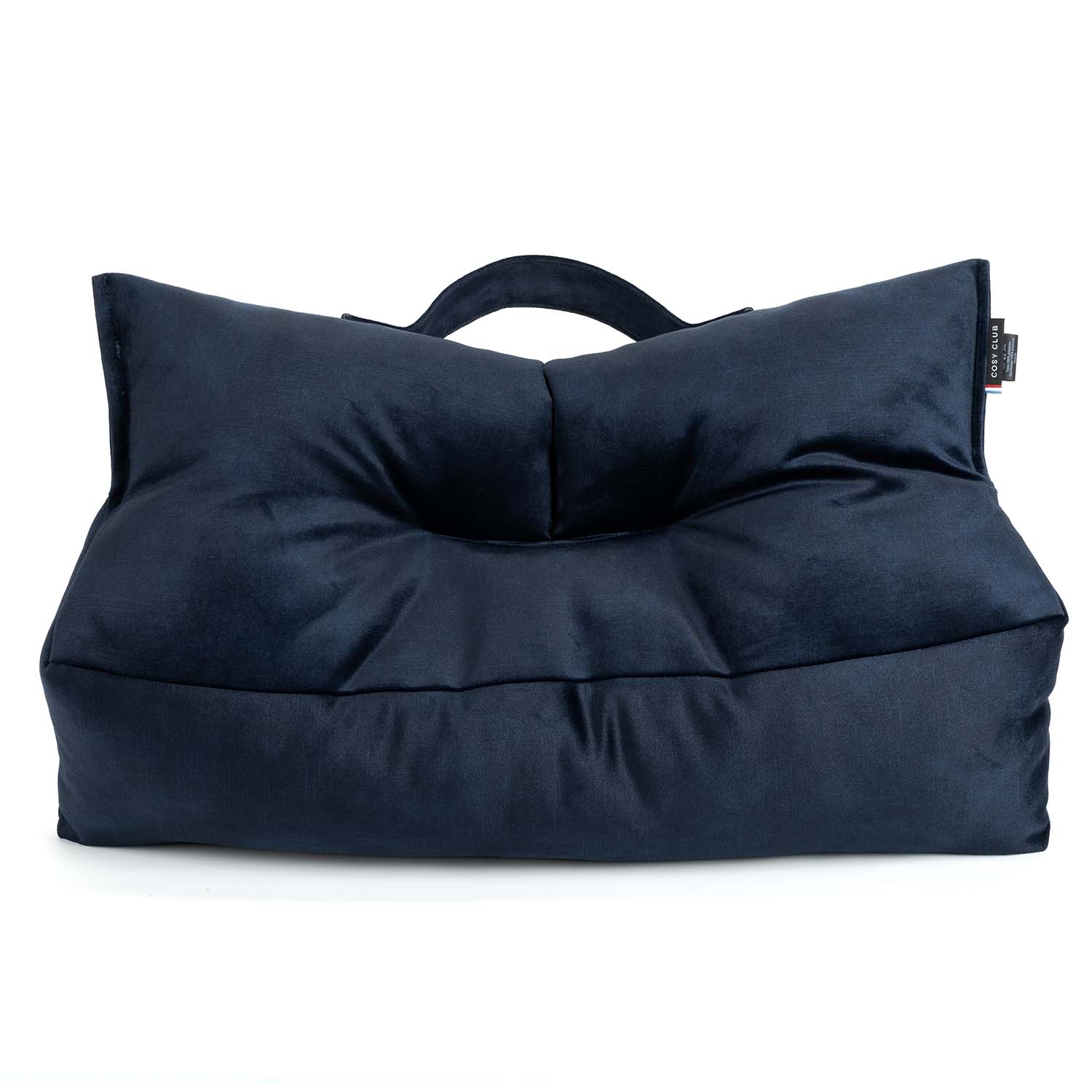
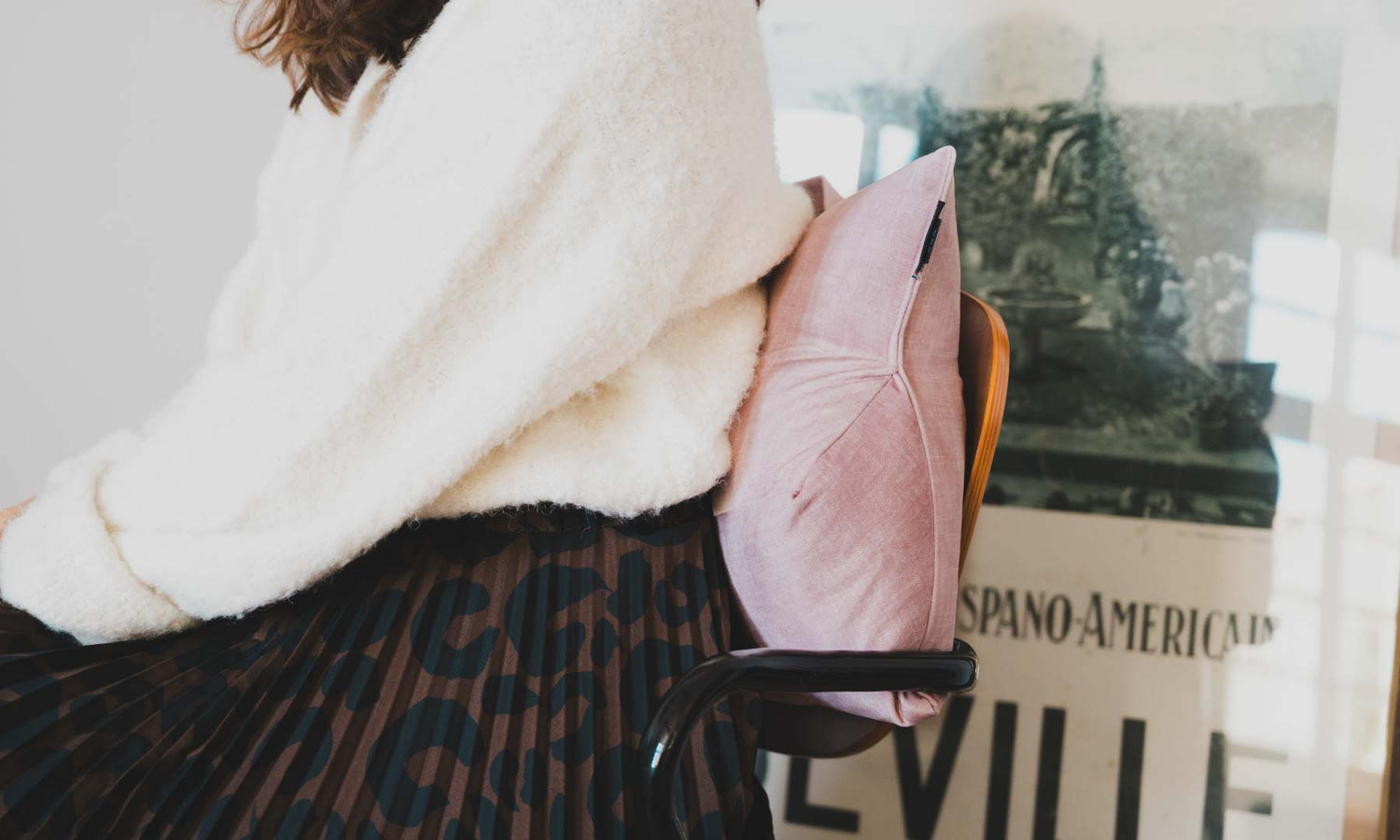
Right away, you feel really good . The support is incredibly comfortable. Being properly supported leads to relaxation and a feeling of comfort . I admit I was surprised by that.
Because, in fact, I've never really used this kind of cushion much since I advocate core strengthening and movement. But in this case, I find it very interesting. And I think that when patients come to the office and sit at my desk with the cushion behind their backs, they're likely to really appreciate it. Because you feel immediate relief .
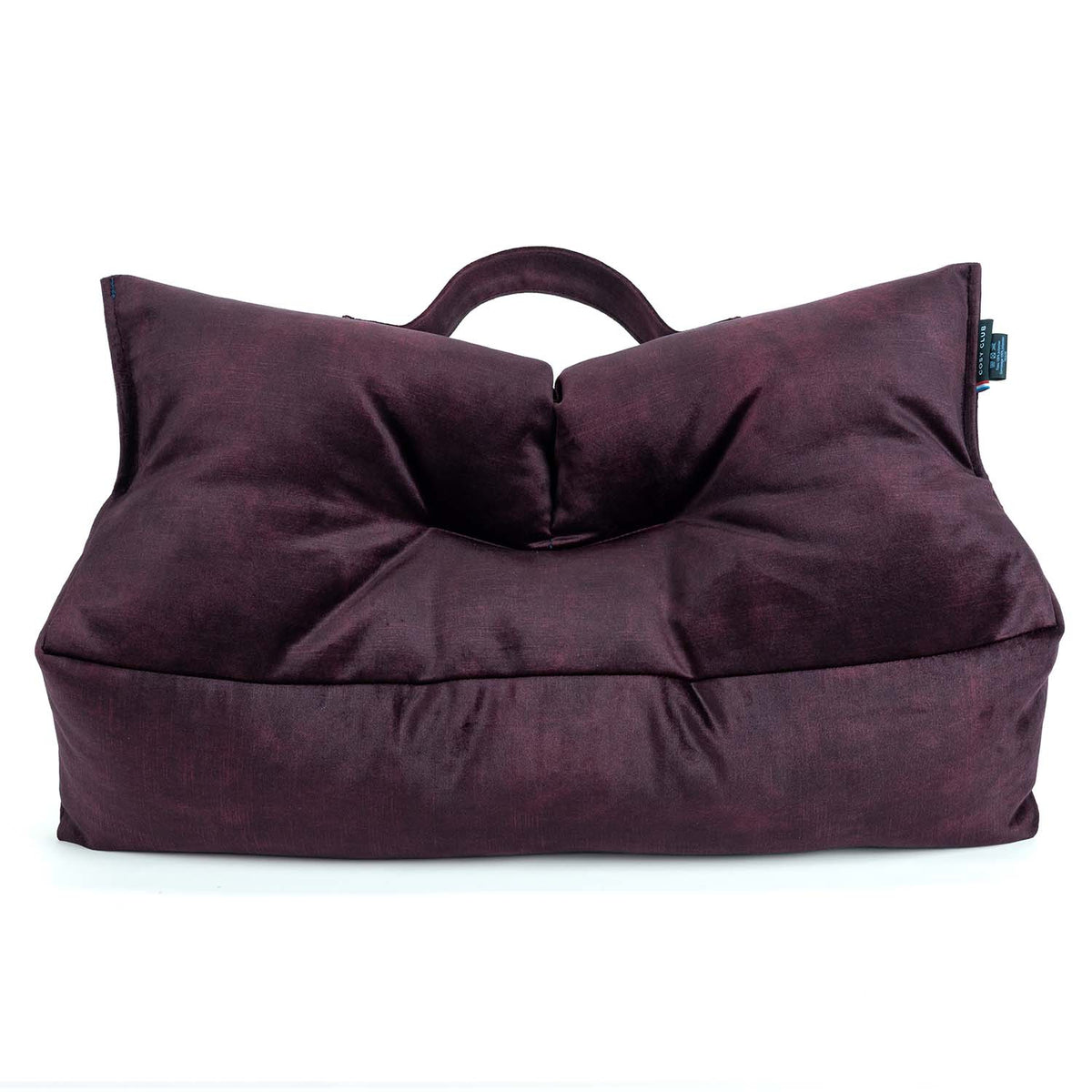
As someone who works a lot, I often have back pain – the cobbler's children go barefoot (laughs) – but I immediately find it provides a pleasant feeling of comfort and relaxation. The cushion's shape conforms well to the lumbar region , and you immediately feel well supported.
After testing it, would you say that this cushion meets the specific needs of people suffering from lower back pain?
I'm thinking primarily of people with reduced mobility , those with muscle atrophy , the elderly, or people with disabilities. I think it could be very beneficial for them. I'm also thinking of people with excessive lumbar lordosis (hyperlordosis), especially pregnant women who often suffer from back pain and sciatica, and for whom the cushion could provide real relief .
I am of course thinking of people who work on computers and spend many hours sitting down.
And we can also consider its use in vehicles, particularly in cars, for drivers who make long journeys with seats that do not take into account the lumbar curve.
At home, I also think about all the people who bought a very beautiful designer sofa but which is not at all ergonomic and which turns their evenings into an ordeal (laughs).

How do you envision the integration of this cushion into a care or prevention routine for your patients?
As I have already said, for me, prevention involves mobility , building muscle, being toned and having good back support.
So, I see it primarily in relation to working posture . For me, that's where the real benefit lies. For someone who has no choice but to spend several hours a day in front of a screen, it's definitely a situation where I would recommend it because if that person has good back support, their shoulders will be able to relax . Whereas if they have tension in their back, they'll experience tension throughout their entire body. I find this lumbar cushion useful for that reason, from a preventative standpoint.
What do you think are the main advantages of the LEANDRO cushion?
The fact that the back is well supported, that it encompasses the body properly , and that it allows for relaxation contributes to the reduction of tension. You can feel that the tension is released.
In fact, the spine has three curves. The first curve, kyphosis, corresponds to the curve of the upper back. This is the rounded shape of the baby curled up in utero. At birth, the baby unfolds, and the cervical curve establishes itself as lordosis, that is, a hollow. When the child straightens up to begin walking, the lumbar lordosis forms, which corresponds to the hollow of the back .
Lumbar lordosis is a completely natural curve. Its degree varies depending on whether you are male or female, or on genetics. It is part of our anatomy. The problem is that most seating – chairs, armchairs, car seats – ignores this physiological characteristic. As a result, the back is not properly supported. This is where the lumbar cushion comes in: by filling this natural curve, it ensures optimal support and provides a feeling of comfort .

Finally, would you recommend this lumbar cushion to your patients?
I'm going to start by putting it in the chair where my patients come to my office. I think that when they arrive with lower back pain, they'll most likely appreciate its comfort right away. It's a comfortable cushion that provides good back support, and besides, I find it attractive, and I admit I appreciate beautiful objects.